
The narcissist has a profound sense of grandiosity and omnipotence, with a tendency towards idealisation and devaluation. A rigid, fixed illusion severely restricts relating and relies on primitive defence mechanisms. A failure to integrate interpsychic relatedness with an actual two-person experience, because significant others and early caretakers were mistuned, unavailable, unpredictable or hostile. They may pose as higher intellectuals but feel like frightened children when it comes to encountering their unconscious, unlived experience, guarded, with no intersubjectivity; they lack a coherent, continuous sense of self, an imposter syndrome, due to cumulative developmental arrest and trauma in areas of subjective relating, mutual recognition, and intimacy.
A deep failure by their caregivers to validate and support them as a separate subject and help them identify as a separate being with their own needs and desires. The parent projects their disowned guilt and shame onto their child, resentful of the child’s growing independence and autonomy. As roles reverse, the child becomes self-blaming, self-loathing, and self-sacrificing, becoming their parents’ caretaker and emotional regulator. They dissociate from their own needs, locked in their concordant grief and rage about feeling exploited and abandoned. Their subjectivity is destroyed, paralysed, and frozen, replaced by their parents’ projections. To transcend the narcissistic ego fixation, reciprocity must be developed, present and available, where both self and other stand under observation and judgement and survive the impact and experience, while supported and cared for, where difference and individuality are tolerated and contained.
Narcissistic parents cannot and will not acknowledge their own weaknesses and defects, blaming the child for any failures and mistakes; they are only able to offer conditional love if the child is perfect and sacrificing. Love is withheld, or failure is met with hostility, as the child’s sense of personal agency is replaced with anxiety, rage, and helplessness. The child survives by developing an idealised, imaginary perception of the parent (ego ideal) and takes all the badness, ugliness, and failure as their own. The child becomes hypervigilant and hyper-sensitive to judgment and responses of others, which can leave the child chronically depleted and collapse into an abyss of hopelessness. A lifelong craving for love, narcissistic validation, and approval, which can never be requited, forever feeling never good enough. They develop a protector / persectory self, adopting a “moral Defence” stating, Do not believe in yourself, do not hope, do not dare; you will only be hurt again. They become laden with hostility and rejection, dissociated and identified with the traiumatising narc parent.
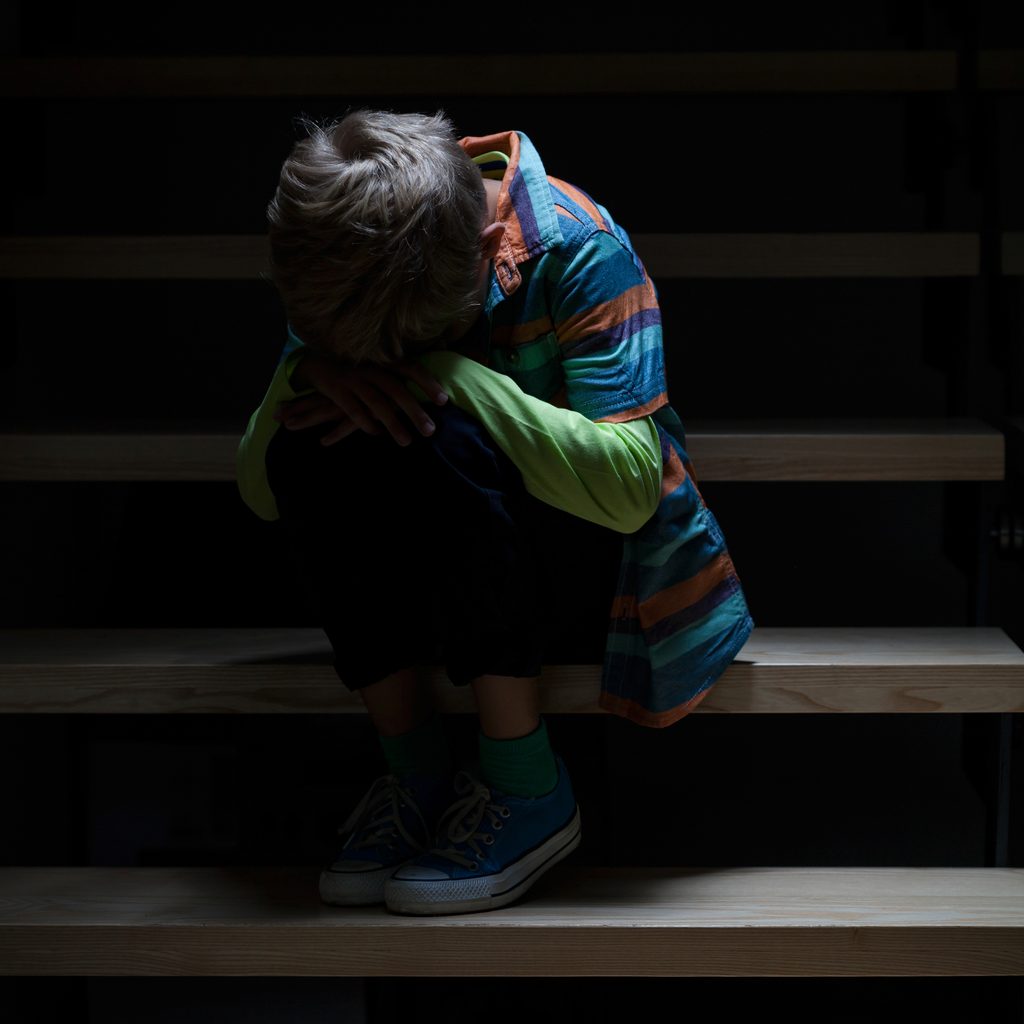
No one could ever love you; you are disgusting, a loser and ugly
They may become fixated in a subjective orientation, paving the way to manic grandiosity and self-justification for their entitlement and behaviour. They externalise all the badness and shame onto others, quickly devaluing them as inferior and disgusting. The relational dynamic is that only one person is entitled to recognition and reference; the other has to manage without containment or validation. Long failures at connection are painfully, repeatedly broken and unresolved, with conflict between shame and self-contempt about their needs and desires, and an intense longing for recognition. They do not learn to experience themselves as subjects, nor do they recognise others’ subjectivity, whom they see as extensions of their parents. They have no felt sense of being seen, loved, affirmed, living, and cherished/admired by significant others, which is crucial to enliving the body and embodiment of self. Shame and devaluation fill the void of emptiness and isolation.
Thin skinned/covert narc’s self-esteem is fragile, ready to break and collapse, and they are easily insulted and humiliated by any expression of separate subjectivity. Trapped in a narrow space between preserving ties to others through self-sacrifice and preserving their own subjectivity, which means being abandoned and losing their parents’ illusory love. They crave the grandiose narcissist, unconsciously striving to stabilise their self-esteem by attracting someone with power, attractiveness, and status, whom they idealise. They recruit others with special gifts who offer the rewards and love/prestige they lack. The grandiose, inflated, thick-skinned narcissist is aggressive, manipulative, and entitled. They are seductive, influential, and beacons of power and confidence, intensely attentive, but only concerned with meeting their own needs. They believe they are righteous in their actions, with a delusional sense of omnipotence, buttressed by a permanent belief that those who question their perfection are envious and malicious.
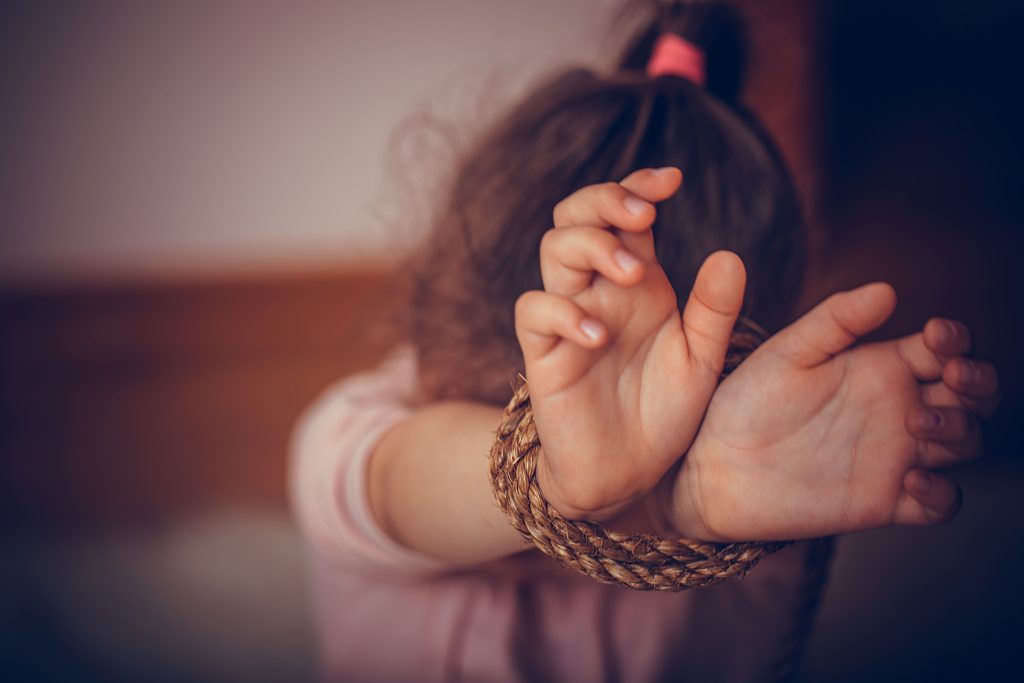
The impact of narc traums comes into analysis as an absence of desire, an absence of a sense of agency, fear of being subjugated, and fear of never being good enough. The child has been persistently objectified in childhood, meaning love and purpose can be tormenting and elusive, as they can’t have a good enough, consistent experience as a worthy subject. An undeveloped sense of intrinsic worth and value, outside appearance and status, how one feels and what one wants, given permission to assert the legitimacy of one’s values and opinions. Without having to deny others’ reality or adapt to it for fear of humiliation, rejection, or abandonment. A sense of self means having desires, being capable of meaningful, productive action, and having the integrity to maintain one’s subjectivity. To remain flexible and porous enough to negotiate mutuality, resisting demands for submission and the need to dominate others. The need to establish, maintain, and protect intimate bonds with others, to escape the pain and dangers of such bonds. The sense of vulnerability without the threat of disintegration, engulfment, exploitation, or loss. In analysis, one is encouraged to come alive in intersubjectivity and relatedness, with the possibility and potential for aliveness, creativity, and freedom. To learn to experience oneself as a subject, rather than be depersonalised or dehumanised by others’ requirements and needs. The child has decided to be bad rather than have bad objects, taking on the burden of badness and being rewarded with a false sense of security through good objects.
Outer security is purchased at the price of inner security

