
When Desire Becomes a Mirror
Narcissism can be understood as a dynamic interplay between self-love and instinctual life, rather than a fixed “trait” that someone either has or does not have. It is always double: it can be more healthy or more destructive, more integrated or more fragmented, and it constantly oscillates between self‑investment and investment in others. In this view, libido is the basic life‑energy that powers both sexuality and self-preservation. When it flows in a roughly balanced way between “me” and “you”, the person can love, work, rest, and feel basically real and alive. When it withdraws from others and accumulates in the self, the result can be psychosis or severe narcissistic disturbance, where external reality loses its weight.
Love is one of the main places this dynamic shows up. In idealising love, a person may pour all their energy into the beloved, becoming small and wretched while the other is inflated into a glowing, two-way mirror. The couple’s mutual infatuation then becomes a shared narcissistic bubble: onlookers excuse almost anything because “they’re in love”. Underneath, however, what matters is not how much love or attention someone gets, but how their self-love and instinctual drives are woven together. If this weave is fragile, narcissism can turn against the ego, demanding impossible ideals, denying reality, and feeding illusions.
Developmentally, the child’s narcissism is shaped through early stages (oral, anal), through the mother’s gaze, through toys as “transitional objects”, and through struggles over dependence, control, and frustration. If parents cannot provide steady recognition, the child clings to primitive fantasies of omnipotence and to external “mirrors” (partners, substances, causes) to prop up self-worth. Depression, in this framework, is less a problem of weak desire and more a reopened narcissistic wound: the ego feels it has failed its internal ideal, is stripped of energy, and attacks itself. Recovery means slowly integrating drives and narcissism so that the ego can use libido to live, love, and work without collapsing under shame.
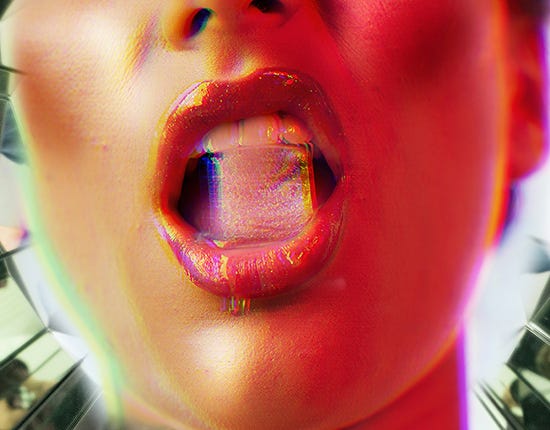
Narcissism here is not just vanity. It is how a person’s life‑energy (libido) moves between “me” and “you”. When that energy is well balanced, people can love others, pursue their goals, and still feel generally stable inside. When it is not, they may become self-preoccupied, experience shaky self-worth, and experience painful moods.
At the start of life, a baby is almost entirely self-focused: the world exists to meet its needs. As the child grows, some of this energy moves toward real people and activities. If caregivers respond with steady attention and approval, the child learns: “I am loved, and I can handle my feelings.” If love is over‑indulgent, erratic, or shaming, the child clings to fantasies of being all-powerful or unlovable, rather than risking ordinary dependence and disappointment.
Different early stages colour this narcissism.
At the oral stage, the person craves total fusion: the other should think and feel the same, give endlessly, and never frustrate them. Love relationships can become a string of intense but shallow attachments, or an endless waiting for the “perfect” partner who will finally make them whole. At the anal stage, the focus shifts to control and superiority: the other is something to master, degrade, or use to feel powerful, often backed up by rigid self-control and fear of being weak.
When these tensions are not worked through, the result can be depression. In this view, depression is not just low mood but a collapse of self-esteem: the person feels they have failed their own inner ideal and are no longer worthy of love. They may attack themselves, cling to idealised partners, or use substances, work, or causes as “mirrors” to feel briefly valuable again. Therapy then aims to help them redirect some of this harsh, perfectionistic narcissism into a steadier self-investment so that they can live, love, rest, and work without constantly re‑opening old wounds.

If you want to be part of this conversation, you can subscribe, comment, and share the work. You are invited to walk the corridors of the glass prison—not to stay trapped there, but to understand its architecture well enough to find the exits.

