
The pain, despair and self-destructiveness are as loud a statement as possible to make and acknowledge the soul is under attack and in exile. Acts of addiction and compulsive sexuality are there to fill the void of underlying emptiness. One seeks meaning and equilibrium through external sources, reducing people to objects of desire and satisfaction. Individuals must sit with their inner angst to realise a sense of true meaning and to realign themselves with their souls. They are caught between radical neurotic chaos and radical identity shifts with no inner meaning or purpose.
The child learns to collude with the parental status quo, where the parents live vicariously through their children. The mother’s experience is bound up with her offspring and exists within them, unable to form meaning in her subjective reality. She may use her children as a crutch for her insecurity via intrusion and invasion of boundaries or withholding and withdrawing affection. The mother may oscillate between engulfment and abandonment, using the child as an emotional shield from her terror of her inferiority and relief of her burden of responsibility. The child learns to take responsibility when their existence is at stake. Care roles are reversed; the child takes centre stage for emotional stability, coerced via guilt and withdrawal.
The mother appears as the embodiment of the GOOD mother.

This closeness has an insidious quality; either too close or too protective, the child can’t breathe or be free. Any form of difference or separation can’t be tolerated, seen as an attack, accusation or act of betrayal as the child attempts to be autonomous. A sense of abandonment can be lost in the glow of specialness; a preoccupation with anxiety renders the child unable to play or dream, lost in the fantasy of a privileged existence.
The mother may be socially well adapted, popular, and chatty, and she retracts her claws during social interactions. She must gather fractured and damaged souls around her to distract from her woundedness.
She may have a strange affinity for the helping profession, in which she can project her neediness and fragmentation to feel solid, needed, and robust again. She is so caring until one of the waifs decides to go their way, as she inflicts emotional blackmail and coercion, guilt-tripping and feigning injury upon them. She may be possessive, vengeful and exploitative, where the child will do anything to remain safe and avoid fulfilling their potential.
The child stifles their needs, essence and being, emotionally and psychologically castrated. The child grows up under a cloud of shame and doubt, unable to become their true self. The child must fail in every venture, creative endeavour or spontaneous activity as their fears are never resolved. The child will forever live with paranoia and anxiety, unable to resist the seductive and heroic role of saving their mother from her inner demons. The child unconsciously ingests their demons, with an impulse to fail, to implode and erase themself.
A madness to defend against going insane.
The child becomes the author of their downfall and foregoes their autonomy in an attempt to preserve it. They maintain some semblance of independence and potency through their self-destructiveness. This insurance policy against their mother’s vengeance and invasion prevents a whole-scale war from breaking out. The mother or father may need their child to be larger than life, bringing them out of their depression. The child may compensate for their disowned power and impotence by developing grandiosity and a sense of superiority that parents bestow on them. This helps the mother look strong and competent, with the power to castrate, disown and abandon the child if they fail to live up to his grandiose image.
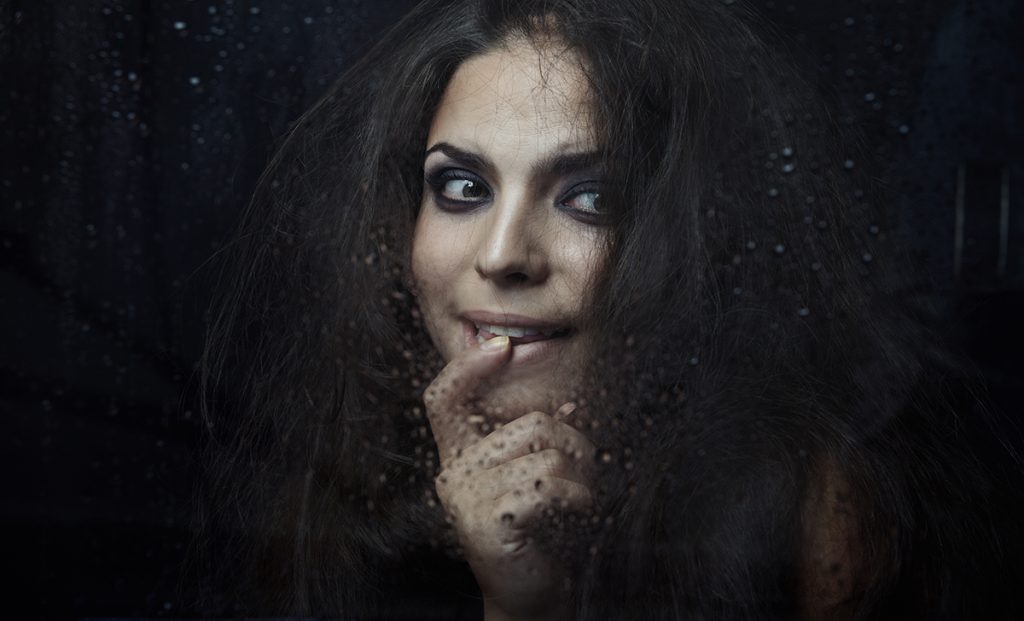
The polarised and ambiguous perspectives the child receives from their mother threaten to pull them apart, where they can’t succeed in any form without demeaning themself in the eyes of the narcissistic parent. The true self is attacked but caught in a crossfire, where the only hope is to internalise the conflict, making his soul a battlefield. The child deadens their humanity and transforms into a robot.
The child must perform an impossible service to preserve an idealised relationship with their parents—a consistent undermining and destruction of natural authority, and a need to sacrifice integrity to maintain family cohesion. Hatred and anger are forbidden and internalised as the child experiences hostility and intrusion of frustrating objects.
The child begins to belittle and devalue themselves, and self-esteem plummets as the false and true self engage in mortal combat. Internal warfare is characterised by confusion and disorientation, as the soul is inhibited and quietened. Hatred wrecks any form of idealisation and generates disillusionment and depression. The true self, when encountered, disrupts these false relationships, thereby disrupting the narrow pathways within which the child operates.
The child cannot tolerate the tension of opposites, love and hate and splits the world into all good and bad perceptions. The experience of hate sustains us and gives us a sense of identity and self-worth. Hatred prevents inner disintegration and undermines identification with others, thereby hindering individuation. Hatred confirms the self and the inherent right to autonomy, self-preservation, and the creation of boundaries.
The child will attempt to fill the void of emptiness with fantasies of gold and greed—a never-ending carving and striving for status, power and material wealth. For the child to acknowledge the true sense of their hunger, it would entail the collapse of the inauthentic self. The child’s ideology and fixed belief allow one to discharge their pent-up affect (aggression, addictive cravings ), collectively retaining the idealised leader/ parent. Their entire physical activity is preoccupied with pleasure, motivated by lust and greed, as they learn to rationalise their pursuit of wealth. No analysis of inner emptiness and self-isolation is covertly obscured and denied by the pursuit of happiness.

Another fantasy may be the search for Hyperborea, the idealised life of external peace and happiness. Time stands still; no one grows old as consciousness stagnates; only self-destruction prevails. The child remains naive and innocent, living in unrealistic fantasies. A retreat into paradise, a childlike attempt to heal one’s woundedness. Idealising the past means not facing reality and has no pernicious effect on the grandiose self-image.
Tragedy will not touch us; without responsibility or risk, it entails no possibility of failure or separation and no contact with moral dilemmas. The innocent child makes no independent judgments, has no personal reference points or arguments, and avoids conflict. Without contrast and comparison, there can be no value; there is no way to measure what is significant or good or bad. The child lives a life of hypocrisy and cowardice, remaining stuck on the sidelines of life with no authority or potency. One’s conscience is cleared of guilt and shame because it is done in the name of ideals.
Rules and morality only applies to those who have lost their innocence
To claim one’s freedom is to become awake, to stand naked and exposed, alone in the face of external dangers. The child needs sufficient ego strength to defy cultural and parental taboos, to break unwritten rules, and to challenge their inauthenticity. The child has to enter the pit of anxiety and face the unconscious split-off fears. To face the unbearable grief and pain of reality and the realisation of one’s denial and distortions.
To be willing to become conscious of our self-betrayal and encounter authentic feelings and thoughts as we start to integrate the shadow. Redemption and a new rebirth can begin only when the false self is acknowledged and allowed to die, with despair embraced. As we descend into chaos and madness, can we overcome the reality of our unlived lives and start to face ourselves? Should the child refuse to bear the confusion and chaos that arises in the tension between opposites, one will retreat into the outer space of the unconscious.

